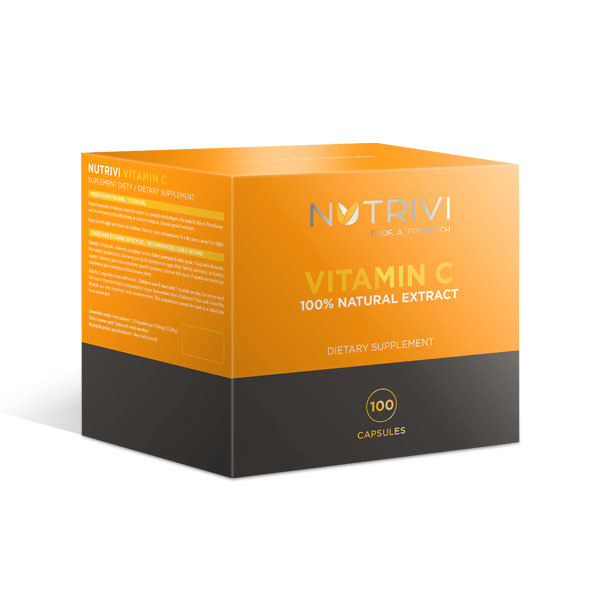
Vitamin C was created as a result of combining natural extracts from dog rose, acerola and hippophae - plants distinguished by a high content of vitamin C and beneficial accompanying substances.
The preparation Vitamin C contains:
Dog rose extract standardized to 70% vitamin C 186 mg, including vitamin C 130.2 mg (162.3% dd*)
Acerola extract standardized to 25% vitamin C 120 mg, including vitamin C 30 mg (37.5% dd*)
Hippophae extract standardized to 40% vitamin C 100 mg, including vitamin C 40 mg (50% dd*)
* daily demand
Dog rose (Rosa canina)
- one of the richer sources of vitamin C. One to three fruits may cover an adult’s daily demand for this vitamin
- a rich source of flavonoids, anthocyanins, pectins and organic acids, affecting an increase of absorption, enhancing activity and protection against the degradation of vitamin C contained in the plant
- contains approximately 130 compounds, which have beneficial effects on the human organism (vitamins C, A, B1, B2, E, K, folic acid, ellagic acid, gallic acid, tannins, flavonoids, carotenoids, sugars and pectins)
- contains the anti-inflammatory compound galactolipid (GOPO) with a proven efficacy in the treatment of osteoarthritis (impeding leukocyte chemotaxis, reduces the concentration of C-reactive proteins (CRP) and creatinine in urine)
- displays high antioxidant activity, due to gallic acid derivatives and polysaccharides contained in the extract.
- dog rose hip is used for the purpose of supplementing vitamins and increasing immune deficiency in the body during recovery, colds, general weakness and fatigue and stress, with excessive tenderness and permeability of capillaries, during pregnancy and breastfeeding and with a wide variety of rheumatoid diseases
- the presence of polyphenols causes dog rose extract to have relaxant, diuretic and diaphoretic actions.
- due to tannins it displays anti-bacterial, anti-inflammatory, astringent, anti-diarrheal and hemostatic actions
- the sufficiently high level of vitamin C in dog rose hip protects against poisoning by various medicines and harmful substances in the air, water and food. It inhibits so-called nitrosamines from forming in the digestive tract. They are carcinogenic compounds, forming in the digestive tract as a result of eating vegetables grown using excessive amounts of nitrogen fertilizers.
Acerola (Malpighia glabra L.)
- is a record-holder in terms of vitamin C - one of its fruit weighing 4.5 g has as much vitamin C as 1 kilogram of lemons. A small glass (180 ml) of acerola juice may contain as much vitamin C as 14 litres of orange juice. Just one or two acerola fruits (depending on the size) provide the recommended daily dose of this vitamin.
- in its fruit there is a considerable amount (even 4300-12500 international units in 100 g) of provitamin A
- it contains a number of beneficial substances, such as thiamin (vitamin B1), riboflavin (vitamin B2), niacin (vitamin PP), calcium, phosphorus, iron, protein, magnesium, manganese and malic acid. The unique composition of ingredients increases the effect of vitamin C, increases the production of antibodies and assists in the activity of antioxidants
- in folk medicine acerola was also used in the treatment of diarrhoea and liver disease. It has proved to be helpful in treatment of the digestive tract, due to the properties of malic acid, phenolic acids and tannins (substances of so-called health promoting activity displaying a very high antioxidant activity).
Hippophae (Hippophaë L.)
- contains a large portion of vitamin C increasing the body’s resistance. What is important, unlike those present in many other fruits, vitamin C from hippophae does not degrade during thermal processing, because this plant does not have enzymes responsible for the elimination of ascorbic acid
- a rich source of vitamin E, protecting cells against oxidants and the activity of free radicals (hippophae fruit has four times more than sunflower seeds)
- contains three times more vitamin A than carrots, lowering cholesterol levels and support the functioning of the circulatory system.
- as one of the few plants, hippophae provides us with vitamin B12, the deficiency of which vegans may suffer
- rich in flavonoids with strong antioxidative and anticancer activities, organic acids (mainly maleic and oxalic),free amino acids as well as important elements, including phosphorus, iron, manganese, boron, calcium and silicon
- the juice, which is probably the most valuable product of hippophae, is the ideal complement to the daily diet. It is great for strengthening immunity to combat infections, improves blood circulation, reduces the cholesterol level, regulates the digestive system and metabolism, prevents inflammation, improving the functioning of the brain and the central nervous system. The juice also improves mood, boosts energy and acts as an antidepressant, which is why it should be used especially in the autumn and winter. It increases potency and extends the life of sperm.
Components of the preparation:
Dog rose extract standardized to 70% vitamin C - 186 mg
Acerola extract standardized to 25% vitamin C - 120 mg
Hippophae extract standardized to 40% vitamin C - 100 mg
Fish gelatin, potato starch (an anti-caking agent)